-
“Text-to-Color” from Scratch with CLIP, PyTorch, and Hugging Face Spaces
Example input and output from the Gradio app built using the Text to Color model. Moving from left to right,…
-
Using CLIP and Gradio to assess similarity between text prompts and ranges of colors
Link to Colab notebook Hugging Face Space Intro OpenAI’s CLIP model and related techniques have taken the field of machine…
-
4 Techniques To Tackle Overfitting In Deep Neural Networks
Image Created By Author Using Canva A neural network is a combination of different neurons, layers, weights, and biases. The…
-
How To Train Your Deep Learning Models Faster
Photo by Marc-Olivier Jodoin on Unsplash Deep learning is a subset of machine learning that utilizes neural networks in “deep” architectures, or…
-
How to 10x Throughput When Serving Hugging Face Models Without a GPU
By optimising how a model is served, we serve over 100 predictions per second with a simply Python API using…

-
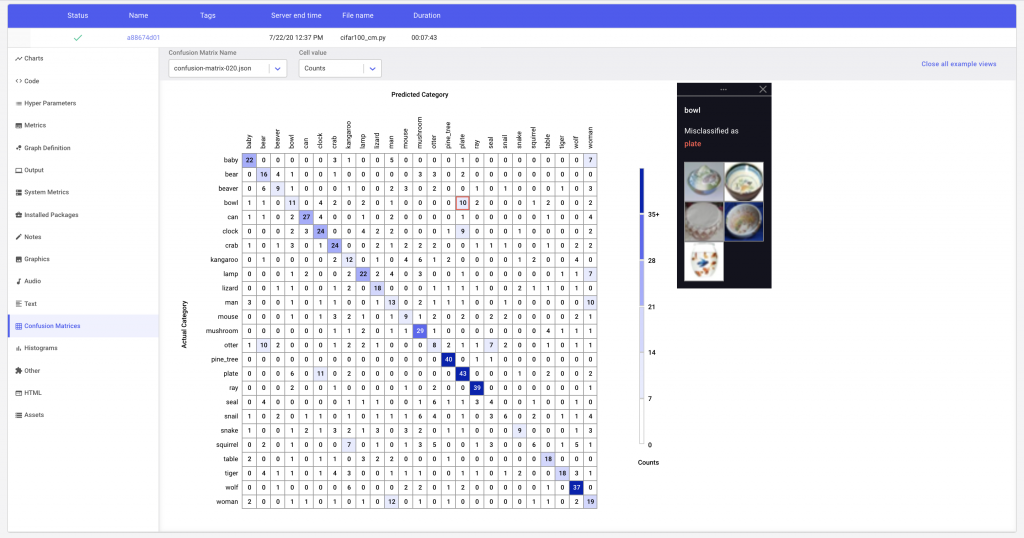
Debugging Classifiers with Confusion Matrices
A confusion matrix can provide us with a more representative view of our classifier’s performance, including which specific instances it…
-
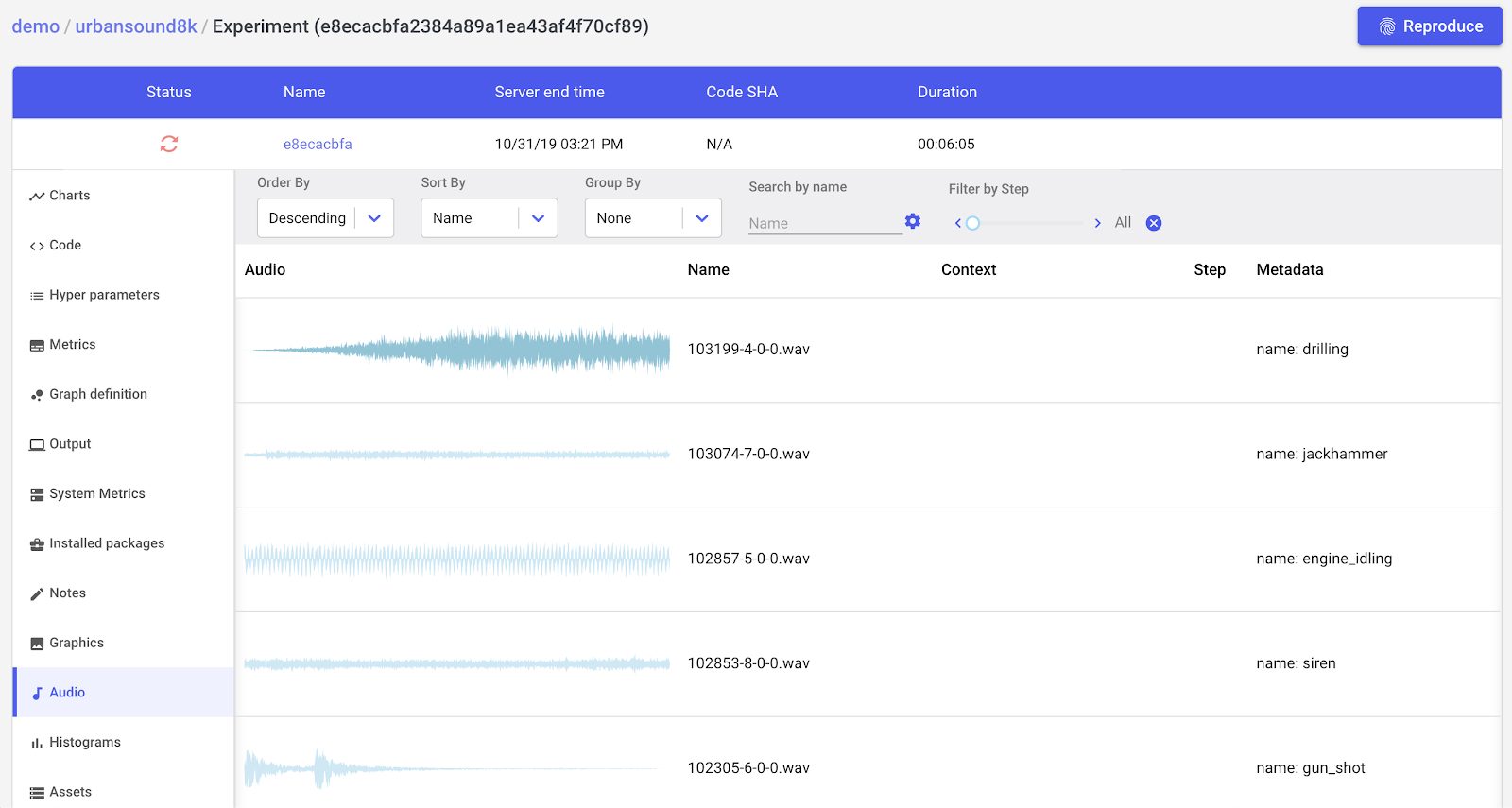
How to apply machine learning and deep learning methods to audio analysis
To view the code, training visualizations, and more information about the python example at the end of this post, visit…
-
Getting Started with Natural Language Processing: US Airline Sentiment Analysis
Sections Introduction to NLP Dataset Exploration NLP Processing Training Hyperparameter Optimization Resources for Future Learning Introduction to NLP Natural Language…

-
Codeless Deep Learning Pipelines with Ludwig and comet.ml
How to use Ludwig and comet.ml together to build powerful deep learning models right in your command line — using…
-
Approach pre-trained deep learning models with caution
Pre-trained models are easy to use, but are you glossing over details that could impact your model performance? How…

New! Track & optimize Claude Code spend across your engineering team. Learn More→

Category: Tutorials






Get started today for free.
You don’t need a credit card to sign up, and your Comet account comes with a generous free tier you can actually use—for as long as you like.